
Power Habits Avoid Dopamine Spikes
Focus on what you can control: your habits.


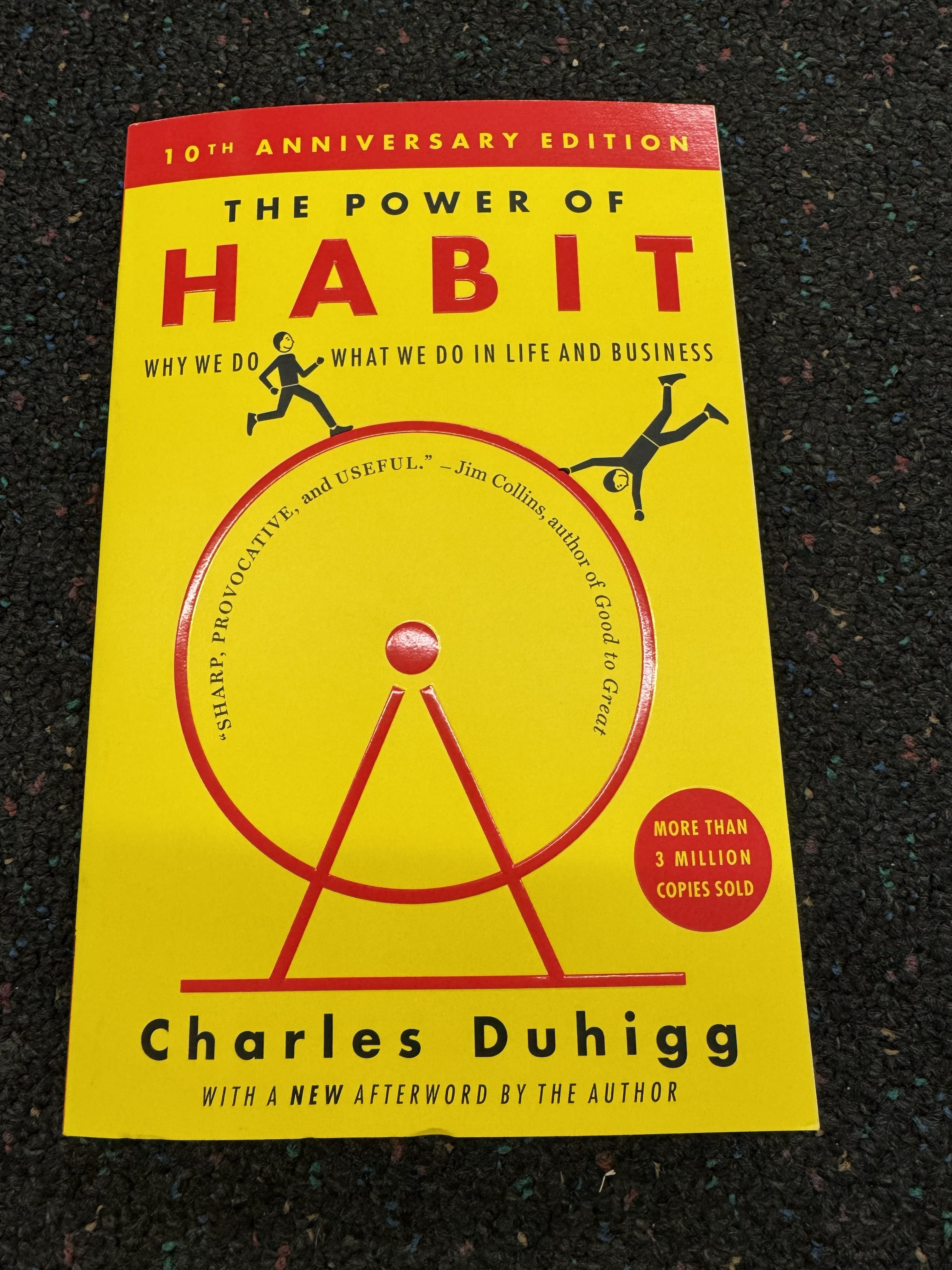
Over 20 years ago, a very wise friend gave me a copy of The Power of Habit. Today, I’m deeply grateful for that gift — and eager to recommend it to anyone struggling with addictive behaviors, especially those tied to screens and technology.
The pace of modern life — along with our family structure, culture, and communication — has changed dramatically. To navigate it well, we must intentionally build mental and physical resilience. We must train ourselves to recognize and resist the pull of “feel-good” dopamine habits.
Dopamine is a brain chemical messenger. It drives motivation, heightens anticipation, and reinforces behaviors the brain labels as rewarding.
The problem?
Sugary drinks, alcohol, drugs, ultra-processed foods, video games, and social media platforms can all become dopamine-driven habits. These activities release large spikes of dopamine, strongly stimulating the brain’s reward pathways. Over time, this can create patterns that feel automatic — even compulsive.
Not sure if something has become a dopamine-overload habit?
Try stopping it for two weeks. For example, pause checking Instagram multiple times a day. Notice what happens.
The goal is not to eliminate dopamine — that would be unnatural and unhealthy. The goal is to reduce overstimulation so the brain can rebalance.
Five Habits to Avoid Quick Dopamine Spikes
Take a 20-minute walk daily. Track your movement and aim to move more each day.
Prioritize face-to-face connection. Smile more. Laugh. Share affection.
Engage in meditation, prayer, or gentle yoga. Calm the nervous system intentionally.
Protect your sleep. Make the bedroom a technology-free zone.
Develop a skill that helps others. Volunteer. Serve. Care for animals. Build something meaningful.
Healthy habits build sustainable dopamine — the kind that supports long-term fulfillment instead of short-term spikes.
What are your “power habits”? I’d love to hear what helps you stay grounded and strong.