
Deformed Bodies from Head to Toe

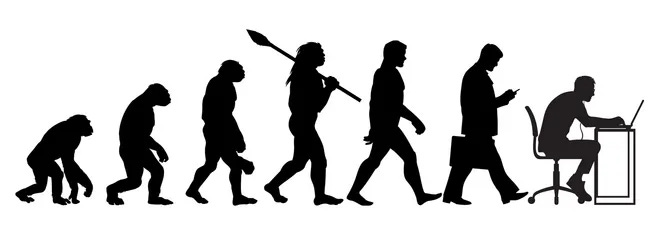
Excessive screen time impacts the entire body—especially the spine.
Schools can no longer ignore the growing epidemic of postural deformities and delayed motor skills caused by screen overuse. The good news: we can address both with a “Back to Basics” posture and movement curriculum starting in preschool and continuing through elementary grades.
Physical educators and school therapists can assess and support each child’s structure, movement, and functional development. Get On Track NFP utilizes the Body Awareness Training Program, which can be easily integrated into any school setting, with yearly reports provided to track results and progress.
Research and real-world experience show that screen exposure is leaving children overstimulated, irritable, and with shorter attention spans. Screens also replace hands-on sensory exploration—the foundation of learning, coordination, and healthy neuromotor development.
There is nothing more meaningful than watching children grow stronger physically, mentally, and socially.
Together, we can reshape posture and screen habits to promote healthier futures.
Simple Ways to Build Healthy Posture Habits:
Balance and track on-screen and off-screen activities.
Encourage reading physical books, magazines, and newspapers.
Practice daily walking, stretching, and posture movement breaks.
Include mindfulness: breathing exercises, meditation, singing, or prayer.
Adults must model the habits we want children to copy.
Redesign desks and chairs to support proper alignment and neck position.